Hi team,
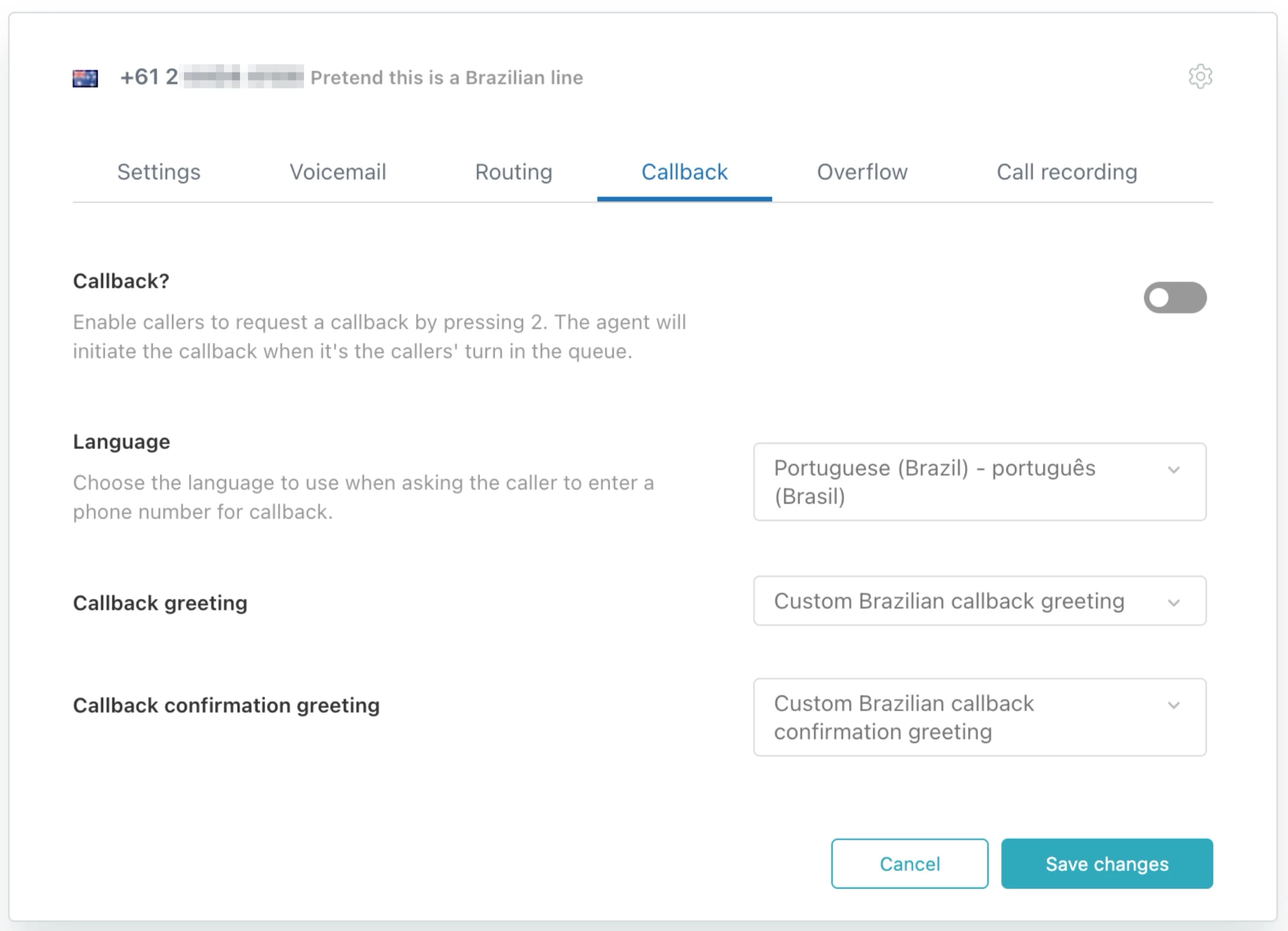
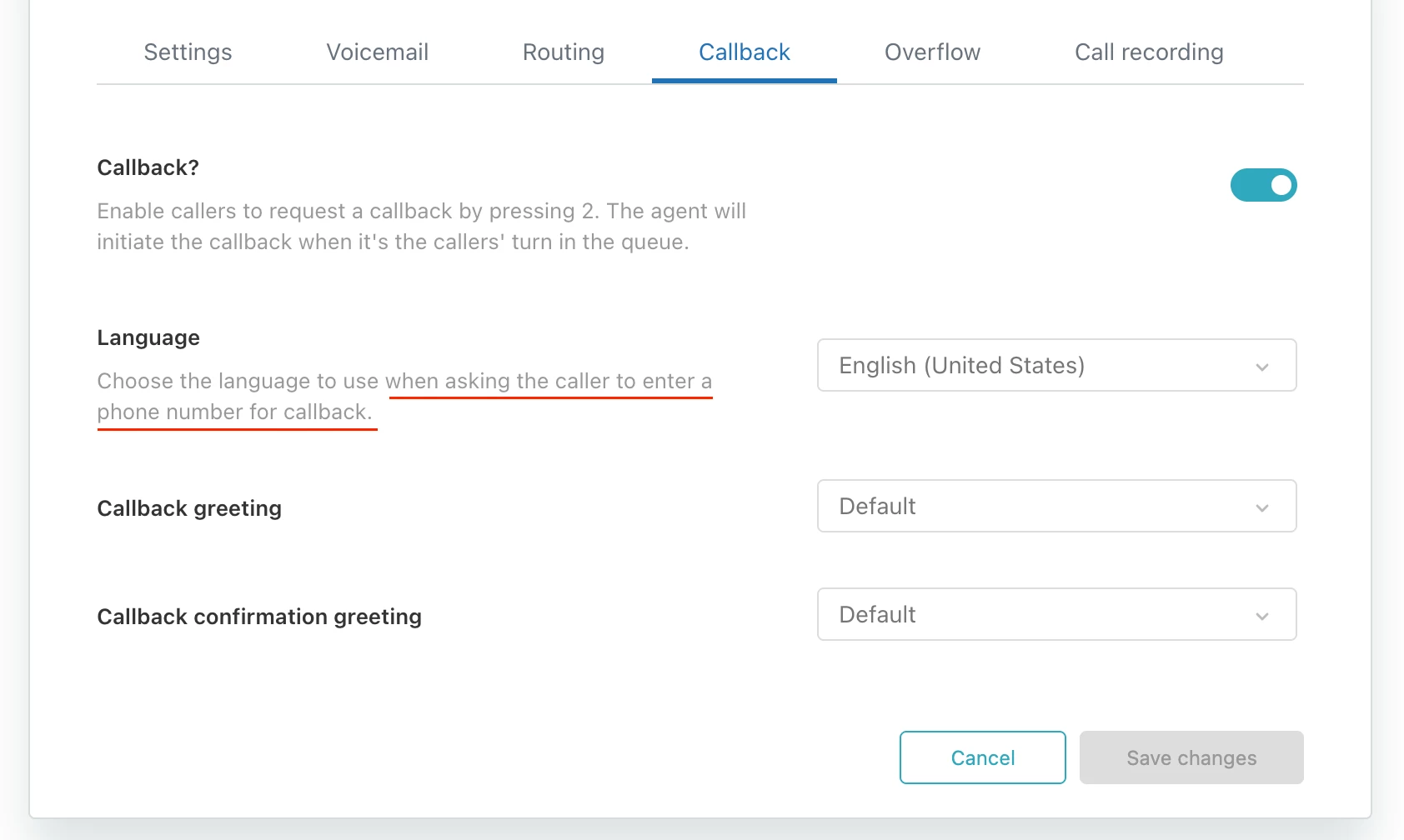
Zendesk currently allows for a custom greeting to be played before a customer presses 2 to request a callback. However, there is a significant limitation in multilingual environments: even when a different language is selected for the callback greeting, the first message (the default greeting) still plays in English. Only after the customer presses 2 does the system switch to the selected language. This inconsistency creates confusion and disrupts the customer experience.
We need to provide a seamless, multilingual experience for our customers. The current behavior—where the initial greeting is always in English regardless of the selected language—leads to confusion, especially for customers who do not speak English. It also undermines the effort to provide localized support.
Why is this problem important?
- It creates a disjointed and confusing experience for non-English-speaking customers.
- It reduces trust and professionalism in customer interactions.
- It increases the likelihood of customers abandoning the callback process.
- It limits Zendesk’s usability for global teams supporting multiple languages.
We manually record and upload custom greetings in different languages. However, we cannot override the default English message that plays before the customer presses 2, unless we create a custom one. This means that even with a localized greeting, the first thing customers hear is still in English, which defeats the purpose of language selection.
We propose that Zendesk:
- Allows the entire callback greeting flow—including the initial message—to be localized based on the selected language.
- Enables users to upload or assign language-specific default greetings.
- Provides a multilingual greeting management interface where users can configure greetings per language.
- Optionally includes a library of standard greetings in multiple languages to streamline setup.
In our recent setup for Portuguese-speaking customers, we selected Portuguese as the callback language. However, the first message still played in English, only switching to Portuguese after the customer pressed 2. This inconsistency caused confusion and led to a poor user experience. A fully localized greeting flow would significantly improve clarity and customer satisfaction.
Thank you!